
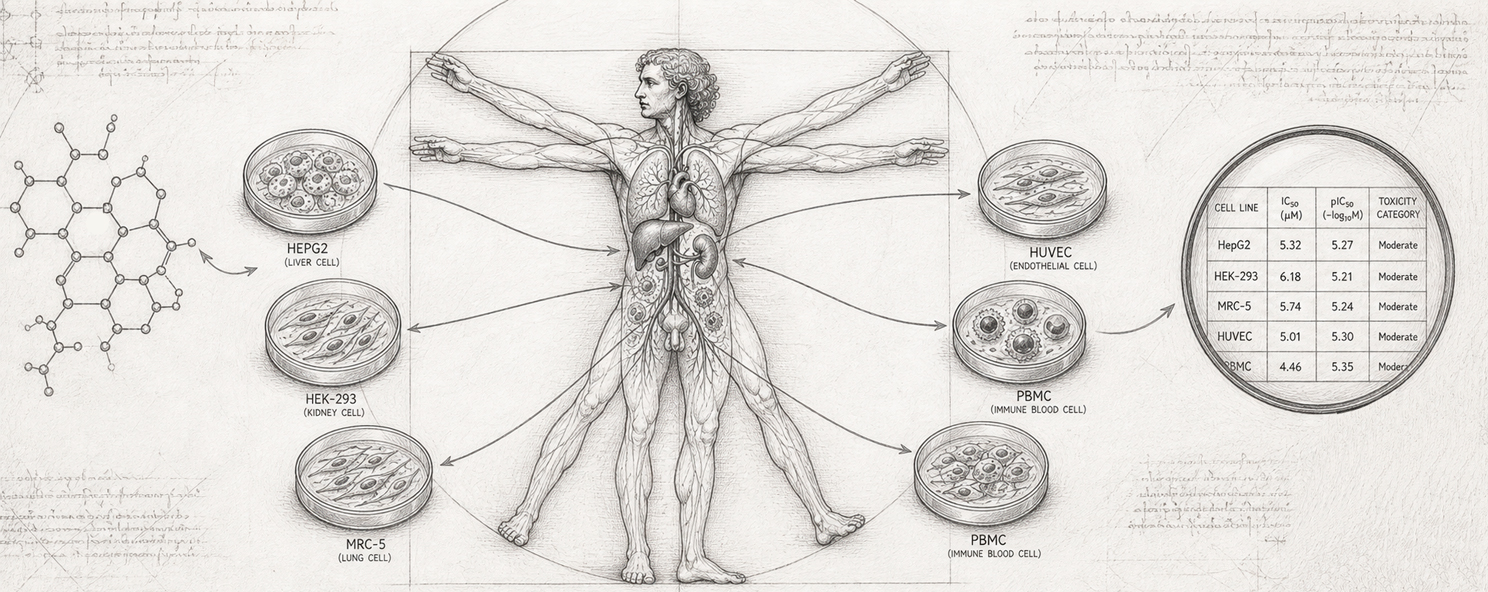
The Way2Drug platform offers researchers a unique set of tools for predicting the cytotoxicity of compounds against human cell lines, eliminating the need for costly and time-consuming experimental studies.
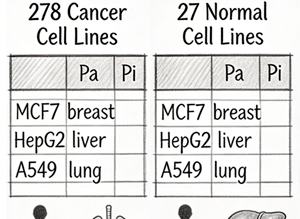
CLC-Pred is the first freely available web application for qualitative (classification-based) cytotoxicity prediction against 278 tumor and 27 normal cell lines, built on structural data for 59,882 compounds;
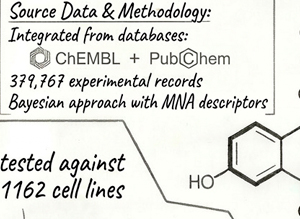
CLC-Pred 2.0 is an extended version covering 391 tumor and 47 normal cell lines based on 128,545 structures from ChEMBL and PubChem; additionally includes cytotoxicity prediction against the NCI60 panel at multiple activity thresholds (1, 10, 100 nM) and prediction of 2,170 molecular mechanisms of action with a mean accuracy of AUC = 0.925;
BC CLC-Pred is a specialized application for quantitative and qualitative cytotoxicity prediction against nine human breast cancer cell lines, including drug-resistant variants MCF7-DOX and MCF7R;
In late 2025, CLC-Pred 2.0 was further extended with QSAR models for the quantitative prediction of pIC50 and pGI50 values for 10 normal and 10 tumor cell lines most commonly used in toxicological studies.
The cytotoxicity prediction services available on the Way2Drug platform cover a broad spectrum of research tasks in drug discovery and preclinical safety assessment. Early toxicity identification is one of the primary applications. By predicting cytotoxic activity against a diverse panel of normal human cell lines, researchers can evaluate organ-specific toxicity profiles at the earliest stages of compound development. Hepatotoxicity can be assessed using the HepG2 liver cell line, nephrotoxicity using HEK-293 and HEK-293T kidney cells, immunotoxicity using peripheral blood mononuclear cells, pulmonary toxicity using MRC-5 lung fibroblasts, and vascular toxicity using HUVEC endothelial cells. This multi-organ coverage allows for a comprehensive picture of the potential toxic burden of a compound long before any animal experiments are conducted.
Selection of promising drug candidates is greatly facilitated by the availability of quantitative predictions. The IC50 and GI50 values predicted for both tumor and normal cell lines enable the calculation of the Therapeutic Index, a key parameter reflecting the ratio of a compound's toxic to therapeutically effective concentrations. Evaluating the therapeutic window at the in silico stage helps prioritize only those candidates that demonstrate a meaningful selectivity margin between tumor and normal cells, thereby reducing the risk of late-stage attrition in drug development.
Lead compound optimization benefits from the simultaneous prediction of cytotoxic activity across a panel of cell lines representing different tissues and tumor types. By comparing predicted activity profiles across multiple cell lines in a single query, medicinal chemists and pharmacologists can identify structural features associated with undesirable toxicity toward normal tissues or insufficient activity against target tumor cell lines, and use this information to guide the rational modification of chemical structures.
Drug repositioning represents another valuable application, as the broad coverage of cell lines and molecular mechanisms of action in CLC-Pred 2.0 allows the identification of new potential indications for already approved drugs or compounds previously studied in other therapeutic contexts. Combined with the prediction of over 2 170 molecular mechanisms of action, the platform enables hypothesis-driven repositioning strategies based on both phenotypic and mechanistic evidence.
Finally, the tools are well suited for the investigation of natural compounds and plant-derived extracts. Since many natural products have complex, polypharmacological profiles and are tested against diverse biological targets, the ability to rapidly screen their cytotoxic potential against hundreds of cell lines in silico allows researchers to prioritize the most promising substances for subsequent experimental validation and to better understand their mechanisms of action.
The accuracy of the qualitative SAR models in CLC-Pred 2.0 is confirmed by a mean AUC of 0.925 under LOO cross-validation; for the quantitative QSAR models, the mean R2 5-fold CV and RMSE values are 0.691 and 0.584, respectively. Since the launch of the original CLC-Pred, more than 80 peer-reviewed publications have employed these tools to evaluate the cytotoxicity of novel synthetic and natural compounds.


© 2011 - 2026 Way2Drug. All rights reserved.


