
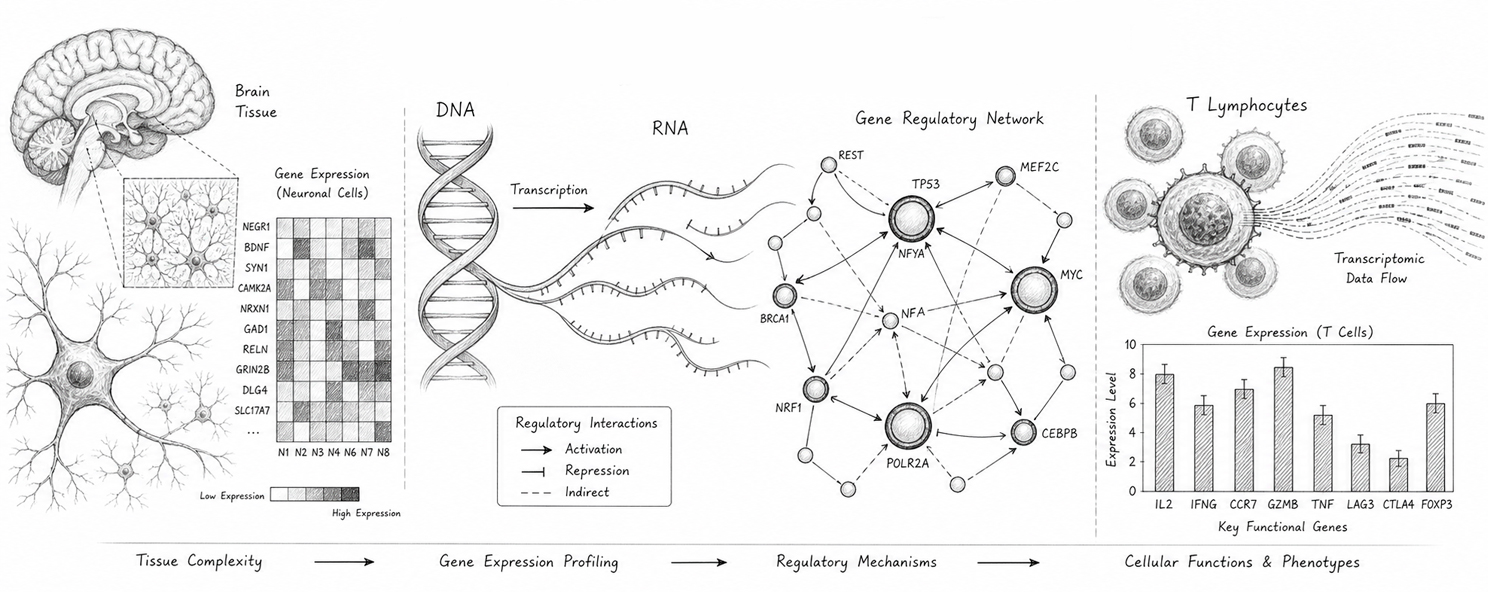
Modern high-throughput technologies (RNA-seq, expression microarrays) enable the simultaneous measurement of the activity of tens of thousands of genes, generating large-scale datasets that cannot be meaningfully interpreted without dedicated computational tools. In silico methods, including differential expression analysis, gene network reconstruction, pathway enrichment, and master regulator identification, transform raw transcriptomic data into actionable biological knowledge. These approaches make it possible to formulate and prioritize research hypotheses, significantly reducing the time and cost of experimental validation compared to purely wet-lab workflows.
The Way2Drug platform integrates a suite of (Q)SAR models specifically designed for transcriptomic data analysis. By combining in silico transcriptomics with the platform's other computational resources? such as biological activity predictors and ligand–target databases, researchers gain a end-to-end environment: from raw gene expression profiles to mechanistic insights and drug candidate prioritization.
The analysis of the transcriptomic data developed by the Way2Drug team spans a broad spectrum of biomedical fields:
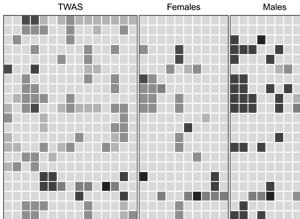
Integration of genomic and transcriptomic data make it possible to identify key genes and molecular processes underlying the development of major depressive disorder. Combined analysis of genome-wide association study data and gene expression profiles across different brain regions allows biologically meaningful targets to be found that are inaccessible when each approach is used in isolation.
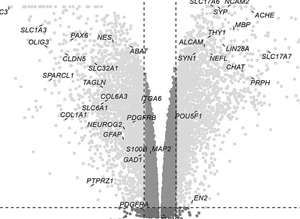
Transcriptomic analysis of expression profiles in glioblastoma, one of the most aggressive forms of brain cancer, can support the identification of master regulators controlling the malignant phenotype of the tumor. The identified transcription factors represent potential therapeutic targets for the development of novel treatment strategies.
Analysis of the peripheral blood transcriptome in various viral infections (influenza, COVID-19, respiratory syncytial virus, and others) characterize both universal and infection-specific regulatory patterns of the immune response. Detailed examination of transcriptomic profiles of CD8⁺ T lymphocytes in HIV infection revealed molecular mechanisms determining disease progression or its long-term control.
Transcriptomic profiling of HIV-infected patients undergoing antiretroviral therapy identified early signatures of immune response modulation - gene patterns emerging at the very first stages of treatment that reflect the molecular reorganization of the immune system. Such signatures can serve as biomarkers of therapeutic efficacy and predictors of long-term clinical outcomes.
Transcriptomic profiling of neural cultures derived from induced pluripotent stem cells via different differentiation protocols allows molecular-level assessment of how closely the resulting cells correspond to target neuronal populations. This opens up opportunities for optimizing cell therapy protocols and modeling neurodegenerative diseases in vitro.
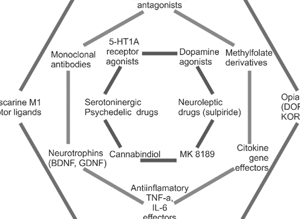
Transcriptomic in silico analysis opens broad opportunities for accelerating drug development across several interconnected directions. By comparing transcriptomic disease signatures with the activity profiles of known compounds, it becomes possible to identify new therapeutic indications for already-approved molecules as a drug repurposing strategy that significantly reduces both development time and cost. At the same time, the identification of master regulators and signaling network hubs within gene expression data points to the most promising molecular targets for pharmacological intervention, providing a rational basis for the design of novel therapeutics.
Beyond target discovery, transcriptomic profiles serve as a foundation for biomarker development. Gene expression patterns can be used to build diagnostic panels that predict a patient's response to therapy or assess the risk of adverse drug reactions, thereby supporting the goals of precision medicine. Analysis of expression changes occurring during the course of treatment further reveals the molecular mechanisms underlying the emergence of drug resistance, enabling the rational design of strategies to overcome it. Finally, assessment of transcriptomic shifts under combination therapy allows undesirable drug–drug interactions to be anticipated and evaluated at preclinical stages, well before clinical trials begin.

© 2011 - 2026 Way2Drug. All rights reserved.


